
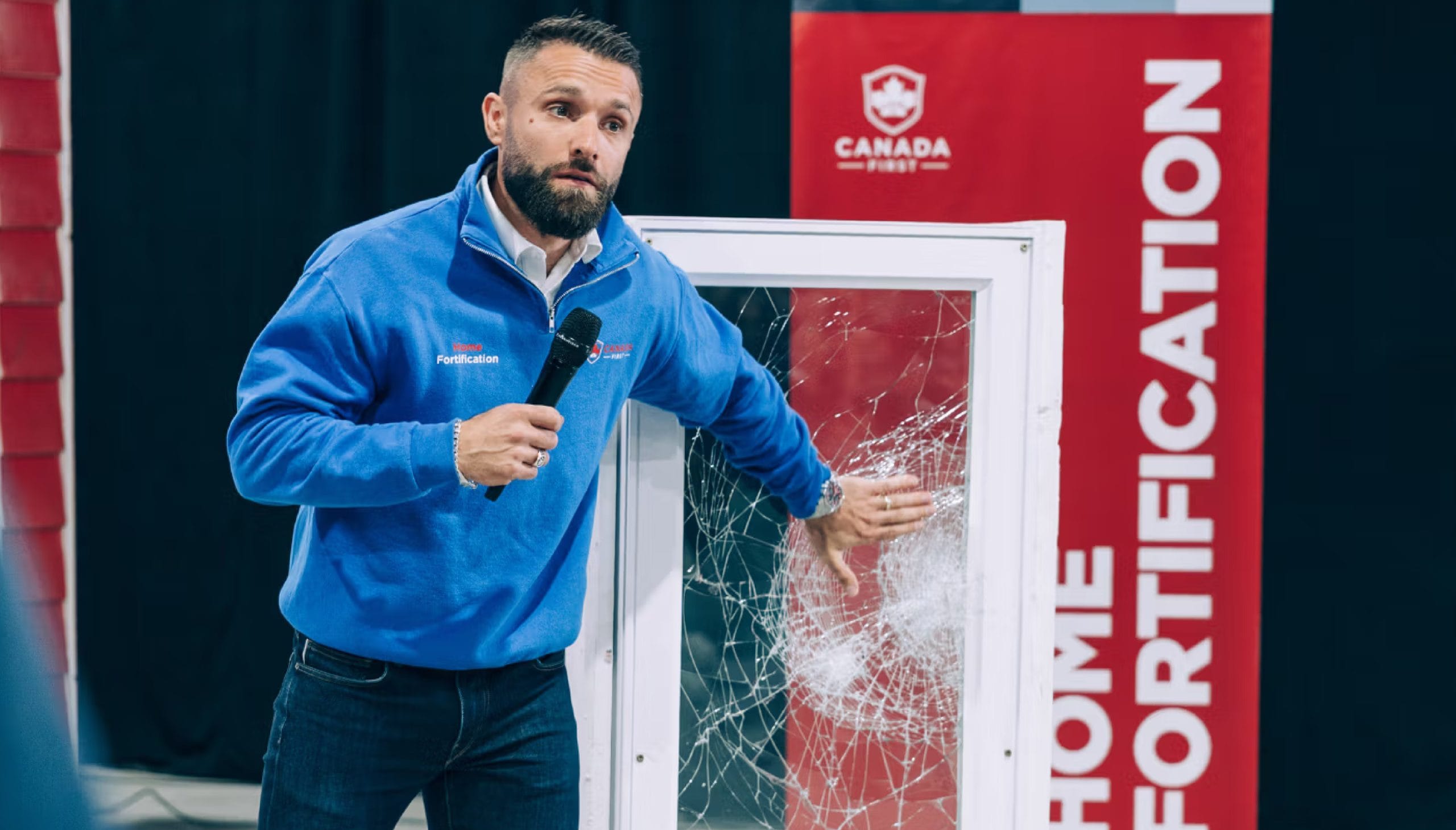
Windows bring natural light into a home, but accessible glass can also become a vulnerable point during a break-in attempt. A locked window may stop someone from simply opening it, but standard glass can still be struck and broken.
Window security film is designed to address that weakness without requiring homeowners to replace every window. It strengthens existing glass by helping hold broken pieces together after impact, making the opening harder to clear quickly.
The purpose is not to make a window impossible to break. It is to create more resistance and make quick entry through the glass more difficult.
For homeowners thinking about a more proactive approach to home protection, that added resistance can become an important part of a broader security plan.
What Is Window Security Film?
Window security film is a durable, transparent polyester film applied directly to existing glass.
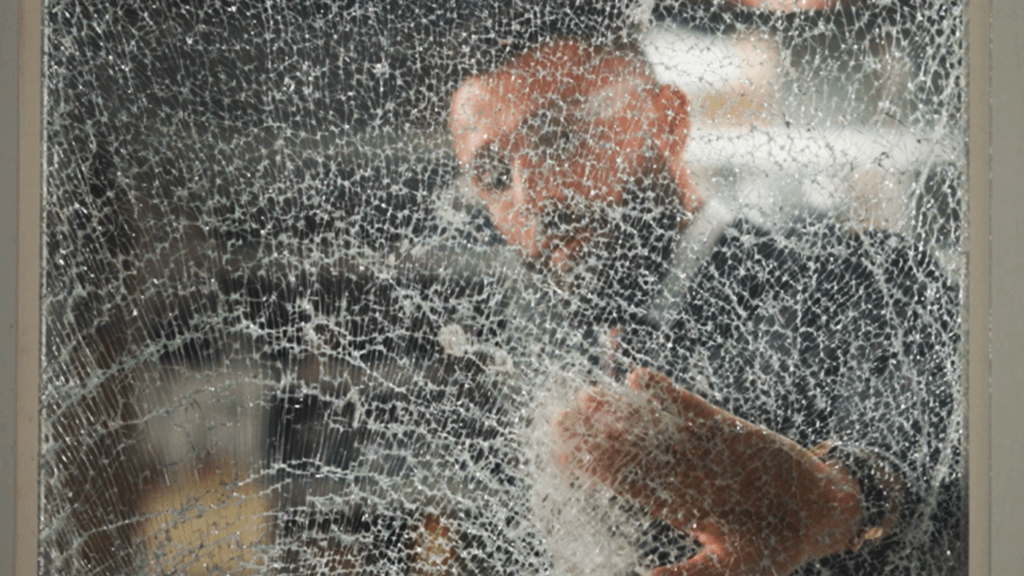
Once professionally installed, the film bonds to the glass. If the window is struck hard enough to crack or break, the film helps keep the broken pieces together rather than allowing the glass to immediately fall away from the opening.
That distinction matters.
An intruder may be able to break untreated glass relatively quickly. The bigger question is what happens after the glass breaks. If the opening can be cleared easily, someone may be able to reach a nearby lock or handle or attempt to enter through the damaged window.
Security film is intended to make that process more difficult.
It does not turn ordinary residential glass into unbreakable or bullet-resistant glass. Instead, it helps improve glass retention and resistance during impact.
Because the film is clear, it can also strengthen vulnerable glass without adding visible bars, grilles, or other exterior changes that noticeably alter the appearance of the home.

How Does Window Security Film Work?
Security film works by helping the glass remain together after impact.
With untreated glass, a forceful strike can cause the pane to break and pieces of glass to separate or fall away. Once that happens, the opening may become easier to access.
With properly installed security film, the broken glass remains bonded to the film. The pane can still crack, but clearing an opening can require additional time and effort.
That is where the security benefit comes from.
Instead of relying on the glass never breaking, window security film is designed to make the damaged glass more difficult to move through or clear away quickly.
This can be especially useful around accessible windows and glass doors that someone could potentially reach from outside.
Does Window Security Film Make Glass Unbreakable?
No.
This is one of the most important things homeowners should understand about window security film.
Security film should not be described as making a residential window unbreakable, burglar-proof, or bulletproof. Sufficient force can still damage or break the underlying glass.
The film changes what happens when that glass breaks.
Rather than allowing broken pieces to immediately fall away, the film helps keep the damaged pane together. That can make it harder to quickly create an opening large enough to reach through or enter.
A more accurate way to think about security film is as an upgrade that increases resistance at a vulnerable glass entry point.
How Can Window Security Film Help During a Break-In Attempt?
Many break-in attempts depend on speed.
An intruder who targets glass may be trying to break the pane, remove enough glass to create an opening, reach through to a lock or door handle, or enter the home.
Security film is intended to interrupt that process.
Even when the glass cracks, the film helps hold the broken pane together. An intruder may then need to continue striking, pushing, or working against the damaged glass rather than gaining immediate access after the first impact.
The goal is delay.
That additional resistance can also work alongside other home security measures. Cameras may provide visibility, alarms and sensors may provide detection or alerts, and reinforced locks or doors may strengthen other entry points.
Window security film addresses a different part of the problem: the vulnerability of the glass itself.
Why Does Forced-Entry Resistance Matter?
Home protection is not always about creating a barrier that can never be defeated.
In many situations, making entry slower and more difficult is valuable because an intruder typically does not have unlimited time to work at an entry point.
A window that breaks and clears immediately offers less resistance than a window where the damaged glass remains bonded together.
The longer someone has to strike or work against the glass, the less convenient that entry point becomes.
This is why window security film should be viewed as one part of a layered home protection strategy rather than a stand-alone promise that no one can get inside.
What Is 14 Mil Window Security Film?
You may come across terms such as 8 mil or 14 mil when researching window security film.
“Mil” refers to film thickness. One mil equals one-thousandth of an inch, so a 14 mil film is thicker than an 8 mil film.
Thickness can be one consideration when choosing a security film, but it should not be treated as the only measure of how well a window protection system will perform.
The existing glass, size and location of the window, frame condition, installation method, exposure of the entry point, and the homeowner’s security goals can all influence what type of solution makes sense.
Rather than selecting film based on thickness alone, homeowners should have vulnerable glass evaluated as part of the overall home security plan.
Why Does the Window Frame Matter?
Security film is applied to the glass, but the glass does not work independently from the surrounding window system.
The frame helps support the pane. If the goal is to keep damaged filmed glass in place for as long as reasonably possible, the condition and construction of the frame should also be considered.
This is one reason professional assessment and installation matter.
Two homes may have similarly sized windows but very different glass types, frames, layouts, and levels of exposure. The right approach should take the entire opening into account rather than treating every window exactly the same.
What Is Structural Silicone Used For?
Some security-film installations may use a perimeter attachment method to help connect the filmed glass more securely with the surrounding frame.
Structural silicone can be one component used for this purpose in certain applications.
However, not every window requires the same attachment approach. Whether an additional attachment system is appropriate depends on factors such as the existing glass, frame construction, window location, and the security objective for that particular opening.
This is another reason homeowners should avoid choosing a window film system based only on a product specification found online.
Proper installation matters just as much as selecting the film itself.
Where Can Window Security Film Be Used in a Home?
Window security film can be considered for many accessible glass areas around a home.
Ground-floor windows are an obvious example, but they are not the only potential weak point. Basement windows, front entrance sidelights, glass inserts in exterior doors, rear windows, and large glass doors may also deserve attention depending on the home’s layout.
Homeowners do not necessarily need to assume that every piece of glass requires the same treatment.
A home with a private rear yard, for example, may have different vulnerable areas than a townhouse with fewer accessible side windows. The priority should be identifying which glass areas provide the most practical opportunities for unauthorized entry.
Can Window Security Film Be Used on Patio Doors?
Patio and sliding glass doors can be important areas to evaluate because they combine a large glass surface with an exterior entry point.
Security film may be appropriate for certain patio or sliding glass doors, depending on the type of glass and the construction of the door.
As with windows, the purpose is not to guarantee that the glass cannot break. The film is intended to help retain broken glass and make the opening more difficult to clear quickly.
Because patio-door construction can vary, the existing door and glass should be assessed before deciding on the appropriate security-film application.
Will Window Security Film Change the Look of My Home?
One of the reasons homeowners consider security film is that it can provide added protection without making the home look heavily fortified.
Quality security films are designed to be clear and discreet once installed. Natural light and the normal appearance of the window can be maintained while adding an additional layer to the glass.
This can be appealing to homeowners who want stronger protection around vulnerable entry points without installing visible bars or other exterior barriers.
The final appearance will also depend on the product and quality of the installation, which is another reason professional installation is worth considering.
Does Security Film Replace the Need for New Windows?
Not necessarily.
Window security film can be applied to many existing windows, which means homeowners may be able to strengthen vulnerable glass without replacing an otherwise functional window simply for security purposes.
However, security film is not a substitute for repairing a damaged, deteriorated, or unsuitable window.
If the frame, glass, hardware, or surrounding structure already needs replacement, those issues should be considered separately.
The decision should be based on the condition of the existing window as well as the homeowner’s security goals.
Does Window Security Film Require Maintenance?
Window security film generally does not require complicated ongoing maintenance, but the treated glass should still be cared for properly.
Homeowners should follow the installer or manufacturer’s cleaning and care recommendations, particularly shortly after installation while the film is curing.
Using suitable cleaning materials and avoiding unnecessarily abrasive tools can help protect the film’s surface and appearance.
If the window experiences a significant impact or the film becomes damaged, the affected area should be inspected to determine whether replacement is appropriate.
Is Window Security Film Enough to Protect a Home?
Window security film can strengthen a vulnerable part of the home, but it should not be expected to handle every security concern by itself.
A home has multiple possible entry points.
Windows matter, but so do exterior doors, locks, patio doors, garages, side entrances, basement access points, cameras, alarms, lighting, and the way these systems work together.
That is why a layered approach makes more sense than relying on one product.
Security film can help create resistance at glass entry points. Stronger locks and door reinforcement can address doors. Cameras and security systems can improve visibility and detection. Other security measures can address different risks around the property.
The goal is to make it harder for an intruder to find an easy path inside.
Who Should Consider Window Security Film?
Window security film may be worth considering for homeowners who have accessible glass around their property and want to strengthen those areas without immediately replacing entire windows or installing visible barriers.
It may be especially relevant when a home has ground-level windows, large rear-facing glass areas, basement windows, patio doors, glass beside an exterior door, or other accessible panes that could provide an entry route.
The right starting point depends on the home itself.
Instead of assuming every property needs exactly the same security products, it makes more sense to identify the areas where added resistance can make the greatest difference.
Start With the SafeHome360™ Home Defence Audit
The most useful security upgrade is the one that addresses an actual vulnerability in your home.
Canada First’s SafeHome360™ Home Defence Audit provides homeowners with an opportunity to have their property reviewed so vulnerable entry points and other security concerns can be identified before deciding which upgrades make sense.
That may include reviewing accessible windows and glass doors along with locks, doors, camera coverage, alarm systems, and other areas of the property.
From there, recommendations can be based on the home’s layout rather than a one-size-fits-all security package.
Strengthen the Glass Before It Becomes an Easy Way In
Windows should bring light into your home, not provide an easy route inside.
Window security film gives homeowners a discreet way to add resistance to vulnerable glass while keeping the existing look of the property. It will not make a window impossible to break, but it can help keep damaged glass together and make quick entry more difficult.
For homeowners looking at ways to improve their overall home protection, strengthening vulnerable glass can be a practical place to start.
Book a SafeHome360™ Home Defence Audit with Canada First to find out which windows, doors, and entry points around your home may need greater protection.